

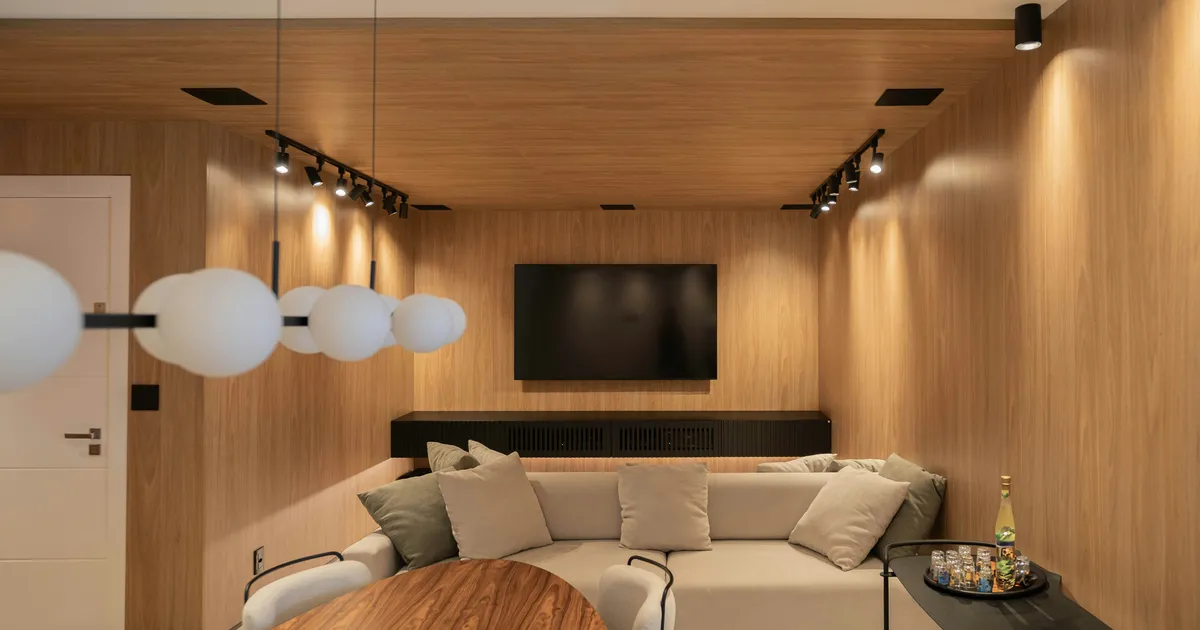
Maximizing space in smaller homes requires a strategic approach to interior design. Modern interior improvement concepts focus on creating visually appealing and functional environments, even within limited square footage. By employing clever storage solutions, optimizing layout, and utilizing décor to enhance the perception of space, homeowners can transform cramped quarters into comfortable and stylish living areas. This article explores several contemporary techniques perfect for small space living in 2026, helping you make the most of every inch.
Embrace Verticality and Height
When floor space is scarce, look upwards. Utilize vertical space by installing tall bookcases, shelving units that reach the ceiling, or even a striking gallery wall. These elements draw the eye upward, creating a sense of height and openness within a small room. Consider floating shelves to avoid cluttering the floor and provide stylish storage for books, plants, or decorative items. Explore options such as custom-built shelving units designed specifically for your room’s dimensions, maximizing every available inch. Furthermore, taller items contribute to the perception of scale, making even the smallest room feel larger than it is.
Mirrors placed strategically are also key players in expanding perceived space. A large mirror can reflect light and visually double the size of a room. Position it opposite a window to amplify natural light or behind a piece of furniture to create depth. Don’t underestimate the power of vertical art; tall, slender pieces can contribute to the illusion of height. Keep furniture scaled appropriately; oversized pieces can overwhelm a small room and make it feel even smaller. Opt for furniture with clean lines and a minimalist design to maintain a sense of airiness.
Multifunctional Furniture Solutions

In compact living spaces, furniture that serves multiple purposes is invaluable. Invest in a sofa bed to accommodate overnight guests without dedicating an entire room to a guest bedroom. Coffee tables with hidden storage compartments provide space for magazines, remotes, or blankets. Consider ottomans that double as seating and storage. Foldable or expandable dining tables are perfect for small kitchens or dining areas, allowing you to save space when not in use. Look for innovative designs that seamlessly integrate multiple functions into a single piece of furniture, maximizing efficiency and minimizing clutter. Exploring brands like Resource Furniture, known for their space-saving solutions, can offer inspiring ideas. (Link: a relevant furniture site like Resource Furniture or similar)
Wall-mounted desks that can be folded away when not in use save precious floor space. Storage beds with drawers underneath provide extra space for clothing or linens, eliminating the need for bulky dressers. Consider nesting tables that can be pulled out when needed and then stacked away to conserve space. Be creative in your search for multi-functional furniture; you may be surprised by the innovative solutions available on the market. Remember that every piece of furniture should contribute to the overall functionality and aesthetic of the room, especially in a small space.
Color Palette and Lighting Strategies
Light colors generally make a room feel larger and more open. Opt for a predominantly light and neutral color palette for walls, floors, and large furniture pieces. Whites, creams, light grays, and pastel shades reflect light effectively, creating an airy atmosphere. Use pops of color as accents through throws, pillows, artwork, or decorative objects to add visual interest without overwhelming the space. Consistent color schemes create visual harmony, further enhancing the feeling of spaciousness. Choose colors that evoke a sense of calm and tranquility to create a relaxing environment even in a small room.
Proper lighting is crucial for maximizing the impact of a small space. Utilize natural light as much as possible by keeping windows clear and unobstructed. Supplement natural light with a combination of ambient, task, and accent lighting. Recessed lighting or track lighting can provide overall illumination without taking up floor space. Task lighting, such as desk lamps or reading lights, should be positioned strategically to provide adequate illumination for specific activities. Accent lighting can be used to highlight artwork or architectural features, adding depth and visual interest to the room. The goal is to create a well-lit and inviting atmosphere that enhances the perception of space.
Declutter and Organize Ruthlessly
Clutter is the enemy of small spaces. Regularly declutter your home by getting rid of items you no longer need or use. Implement a “one in, one out” rule – for every new item you bring into your home, get rid of something else. Invest in storage solutions such as baskets, bins, and boxes to keep items organized and out of sight. Utilize vertical storage solutions to maximize space on shelves and in closets. Label containers clearly so you can easily find what you need. A clutter-free environment instantly makes a small space feel larger and more inviting. Consider donating or selling unwanted items to further reduce clutter and give your belongings a new life.
Embrace minimalist principles by focusing on quality over quantity. Choose a few well-selected items that you love rather than accumulating a large collection of things you don’t need. Keep surfaces clear and uncluttered, showcasing only a few carefully chosen decorative items. Consider the overall aesthetic of your home and strive for a cohesive and uncluttered look. A well-organized and minimalist space promotes a sense of calm and serenity, making it an ideal environment for relaxing and unwinding. Remember, less is often more, especially in a small space. 2026 design trends emphasize this even further.
Streamline Furniture Shapes and Styles

Opt for furniture with clean lines and simple silhouettes. Avoid bulky or ornate pieces that can overwhelm a small space. Choose furniture with exposed legs to create a sense of airiness and allow more light to flow through the room. Sofas and chairs with slim profiles take up less visual space and contribute to a more streamlined aesthetic. Consider furniture styles that are specifically designed for small spaces, such as mid-century modern or Scandinavian designs, which often feature clean lines and minimalist details. A cohesive and streamlined furniture arrangement enhances the overall sense of spaciousness.
Round tables and curved furniture can soften the harsh lines of a small room and create a more inviting atmosphere. Glass or acrylic furniture can virtually disappear, making a room feel larger and more open. Consider transparent chairs or a glass coffee table to minimize visual clutter. Choose furniture that is proportional to the size of the room. Avoid oversized pieces that can make the space feel cramped. Pay attention to the scale and proportion of each piece of furniture to create a balanced and harmonious environment. The goal is to create a furniture arrangement that is both functional and aesthetically pleasing, optimizing space and enhancing the overall design.
Utilize Wall Space Wisely
Don’t only think of walls as boundaries; consider them prime real estate for storage and décor. Floating shelves, as discussed before, are excellent, but think beyond. Wall-mounted desks, cabinets, and even small folding tables can provide essential functionality without consuming valuable floor area. Consider a wall-mounted headboard in the bedroom for a streamlined look and no need for a cumbersome headboard structure that takes up floor space.
Wall art can also contribute to the perception of space. Use large, impactful pieces to create focal points and draw the eye upward. Choose artwork with light colors and airy designs to enhance the feeling of openness. Utilize mirrors strategically to reflect light and visually expand the room. Even a simple wall-mounted coat rack near the entrance can keep clutter at bay and free up floor space.
Clever Storage Solutions
Exploit every nook and cranny for storage. Use under-bed storage containers to store seasonal clothing, linens, or shoes. Utilize the space above cabinets and doors by installing shelves or storage boxes. Hang hooks on the back of doors for towels, bags, or clothing. Install a magnetic knife strip in the kitchen to free up counter space. Get creative with your storage solutions; think vertically, horizontally, and even diagonally to maximize every available inch. The goal is to create a functional and organized space where everything has its place.
Consider custom-built storage solutions that are specifically tailored to your needs and dimensions of your space. A custom-built closet or shelving unit can maximize storage capacity and utilize every available inch. Utilize drawer organizers to keep drawers tidy and prevent clutter. Keep storage areas neat and organized, so you can easily find what you need. Regularly declutter your storage areas to get rid of items you no longer need or use. By implementing clever and efficient storage solutions, you can transform a cluttered and cramped space into a functional and organized living area.
Key Takeaways
- Embrace vertical space with tall shelving and wall decor.
- Choose multifunctional furniture to maximize utility.
- Use light colors and strategic lighting to brighten the room.
- Declutter regularly and organize effectively.
- Opt for furniture with clean lines and simple shapes.
- Exploit every nook and cranny for storage.
Frequently Asked Questions
How do I make a small room feel bigger?
Use light colors, maximize natural light, add mirrors, declutter regularly, and choose appropriately scaled furniture. Also, utilize vertical space and multi-functional furniture.
What color is best for small spaces?
Light and neutral colors such as white, cream, light gray, and pastel shades are ideal for making small spaces feel larger and more open. Use brighter colors for accents.
How can I maximize storage in a small apartment?
Utilize vertical space with shelves and tall cabinets, invest in multifunctional furniture with hidden storage, use under-bed storage, and exploit every nook and cranny.
What are some good furniture choices for small spaces?
Look for foldable or expandable tables, sofa beds, coffee tables with storage, nesting tables, and wall-mounted desks. Choose furniture with clean lines and a slim profile.
How important is lighting in a small room?
Lighting is crucial. Maximize natural light and supplement it with a combination of ambient, task, and accent lighting. Use recessed or track lighting to save space and avoid clutter.
Conclusion
Transforming a small space into a stylish and functional home requires careful planning and a creative approach. By implementing these modern interior improvement concepts, homeowners can maximize space, enhance the perception of size, and create a comfortable and inviting living environment. Emphasis on multi-functional furniture, clean designs, and personalized storage solutions is essential. As we move towards 2026, designers are increasingly innovating in this sphere and these techniques will provide the tools necessary to conquer size constraints and create a home that reflects your unique style and needs, no matter how small the footprint.