


Transforming your home into an energy-efficient haven is not just a trend; it’s a smart and sustainable way to reduce your carbon footprint, lower utility bills, and enhance your overall living experience. With advancements in technology and an increasing awareness of environmental issues, upgrading your home for energy efficiency has become more accessible and cost-effective than ever before. These upgrades can range from simple DIY projects to larger-scale renovations, each contributing to a more comfortable, eco-friendly, and valuable home. Investing in energy efficiency not only benefits your wallet, but also contributes to a healthier planet for future generations. Let’s explore some practical and innovative energy-efficient home upgrade ideas for smart living now and into 2026.
Upgrade Your Insulation
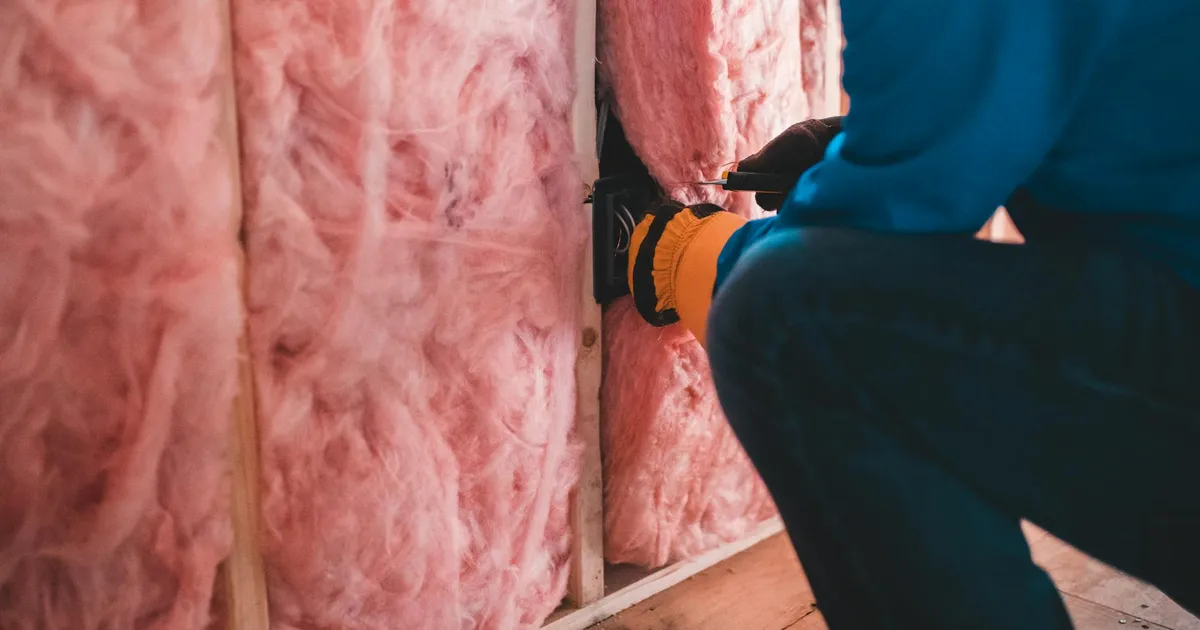
Proper insulation is fundamental to energy efficiency. Inadequate insulation allows heat to escape in the winter and enter during the summer, forcing your HVAC system to work harder and consume more energy. Upgrading your insulation involves adding or replacing insulation in the attic, walls, floors, and crawl spaces. Consider using materials with a high R-value, which measures thermal resistance. Common insulation materials include fiberglass, cellulose, spray foam, and mineral wool. Proper assessment of your current insulation and climate zone is crucial for determining the most effective R-value and insulation type for your home. A well-insulated home maintains a consistent temperature, reduces energy consumption, and increases comfort.
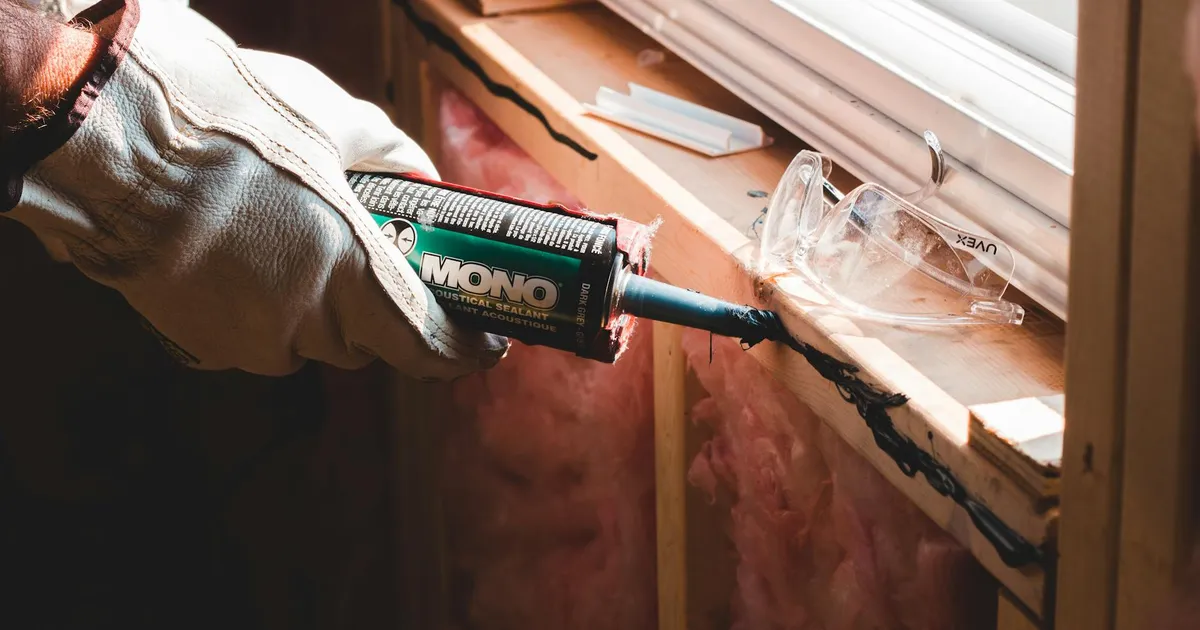
Improving insulation also addresses air leaks, a significant source of energy waste. Sealing cracks and gaps around windows, doors, and other openings with caulk or weather stripping prevents drafts and minimizes heat transfer. For larger gaps, consider using expanding foam. Addressing air leaks in conjunction with insulation upgrades has a synergistic effect, maximizing energy savings. Don’t forget to insulate pipes and ducts running through unconditioned spaces, such as basements or crawl spaces, to prevent heat loss. These steps not only improve energy efficiency but also protect against moisture, mold, and pest infestations, contributing to a healthier indoor environment. In 2026, expect even more advanced insulation materials with enhanced thermal performance and sustainability to become available.
Install Energy-Efficient Windows and Doors
Windows and doors are often significant sources of heat loss or gain in a home. Upgrading to energy-efficient models can dramatically reduce energy consumption and improve comfort. Look for windows with low-E coatings, which reflect infrared and ultraviolet light, reducing heat transfer. Double or triple-pane windows provide better insulation than single-pane options. Argon or krypton gas fills between the panes further enhance insulating properties. Similarly, energy-efficient doors with insulated cores and tight seals prevent drafts and minimize heat loss. Proper installation is essential to ensure windows and doors perform as intended. Consider hiring a professional installer to ensure a tight seal and optimal energy efficiency.
Beyond energy savings, energy-efficient windows and doors offer additional benefits, such as improved sound insulation, reduced condensation, and increased home value. Look for the ENERGY STAR label when selecting windows and doors to ensure they meet strict energy-efficiency standards. Tax credits and rebates are often available for energy-efficient home upgrades, making these investments even more attractive. Regularly inspect and maintain your windows and doors by caulking any cracks or gaps and replacing worn-out weather stripping to maintain their energy-efficient performance. With the right windows and doors, you can enjoy a more comfortable and energy-efficient home for years to come. Innovative window technologies are expected to become more commonplace by 2026.
Upgrade to Energy-Efficient Lighting
Switching to energy-efficient lighting is one of the simplest and most cost-effective ways to reduce energy consumption. Traditional incandescent light bulbs are highly inefficient, converting only a small fraction of the electricity they consume into light, with the remainder wasted as heat. Compact fluorescent lamps (CFLs) and light-emitting diodes (LEDs) offer significantly better energy efficiency and longer lifespans. LEDs are particularly advantageous due to their high efficiency, long lifespan, and ability to produce a wide range of colors and brightness levels. Replacing incandescent bulbs with LEDs can save a substantial amount of energy and money over time.
In addition to switching to energy-efficient bulbs, consider using smart lighting systems to further optimize energy use. Smart lights can be controlled remotely via smartphone or voice assistant, allowing you to turn lights on or off, dim them, and schedule them to automatically adjust based on time of day or occupancy. Motion sensors can also be used to automatically turn lights on when someone enters a room and off when they leave. These technologies not only save energy but also enhance convenience and security. When choosing light fixtures, look for those with the ENERGY STAR label to ensure they meet energy-efficiency standards. Embracing energy-efficient lighting is a quick and easy way to make your home smarter and more sustainable.
Install a Smart Thermostat
A smart thermostat is a device that learns your heating and cooling patterns and automatically adjusts the temperature to optimize energy efficiency and comfort. Unlike traditional thermostats, smart thermostats can be programmed to lower the temperature when you’re away from home or asleep, and raise it when you’re present. Many smart thermostats can be controlled remotely via smartphone or other devices, providing convenience and flexibility. Some models also offer features such as energy usage reports, which allow you to track your energy consumption and identify areas for improvement.
Installing a smart thermostat can result in significant energy savings, typically ranging from 10% to 12% on heating costs and 15% on cooling costs, according to the U.S. Department of Energy. Smart thermostats also contribute to home automation, integrating with other smart home devices such as lighting, security systems, and voice assistants. When choosing a smart thermostat, consider factors such as compatibility with your HVAC system, ease of installation, and features that are important to you. Some utility companies offer rebates for installing smart thermostats, further reducing the cost of this upgrade. A smart thermostat is a simple yet powerful tool for managing your home’s energy consumption and enhancing comfort.
Use Smart Power Strips
Many electronic devices continue to draw power even when they are turned off, a phenomenon known as phantom load or vampire power. This wasted energy can add up over time, contributing to higher electricity bills. Smart power strips are designed to eliminate phantom load by automatically cutting off power to devices when they are not in use. These power strips typically have a master outlet that detects when a device is turned off and automatically shuts off power to the other outlets connected to it. Some smart power strips also offer surge protection to protect your electronics from power surges.
Using smart power strips is a simple and inexpensive way to reduce energy consumption and save money. They are particularly effective for home entertainment systems, computer workstations, and other areas with multiple electronic devices. When choosing a smart power strip, consider the number of outlets you need, the types of devices you will be plugging in, and any additional features you desire, such as surge protection or remote control. Regularly check your power strips to ensure they are functioning properly and replace any that are damaged or worn out. By eliminating phantom load, smart power strips help you reduce your carbon footprint and save money on your electricity bill. You can find highly rated models online for under $30.
Consider Renewable Energy Sources
While the upgrades mentioned previously focus on reducing energy consumption, another approach is to generate your own clean energy through renewable sources. Solar panels, for instance, convert sunlight into electricity, reducing your reliance on the grid and lowering your electricity bill. Wind turbines can also generate electricity, particularly in areas with consistent wind patterns. Geothermal systems use the Earth’s natural heat to heat and cool your home. Although these options may require a larger upfront investment, they can provide significant long-term savings and environmental benefits. Government incentives, such as tax credits and rebates, are often available to help offset the cost of renewable energy installations.
Install Energy-Efficient Appliances
Old, inefficient appliances can consume a significant amount of energy, contributing to higher utility bills and a larger carbon footprint. Upgrading to energy-efficient appliances, such as refrigerators, dishwashers, washing machines, and dryers, can substantially reduce energy consumption and save money over time. Look for appliances with the ENERGY STAR label, which indicates that they meet strict energy-efficiency standards. ENERGY STAR certified appliances typically use 20% to 30% less energy than standard models. When shopping for new appliances, carefully consider their energy consumption ratings and choose models that are appropriately sized for your needs.
In addition to saving energy, energy-efficient appliances often offer enhanced features and performance. For example, some refrigerators have advanced temperature controls and improved insulation to keep food fresher for longer. Energy-efficient washing machines may use less water and have shorter cycle times. Regularly maintain your appliances by cleaning them and performing any necessary repairs to ensure they continue to operate efficiently. Replacing old, inefficient appliances with energy-efficient models is a smart investment that can improve your home’s sustainability and save you money on your energy bill. By 2026, expect to see additional smart technologies integrated into major appliances.
Key Takeaways
- Upgrade insulation to reduce heat loss and gain.
- Install energy-efficient windows and doors to minimize drafts.
- Switch to LED lighting to save energy and money.
- Use a smart thermostat to optimize heating and cooling schedules.
- Employ smart power strips to eliminate phantom load.
- Consider renewable energy sources like solar panels.
Frequently Asked Questions

What is the first step I should take to improve my home’s energy efficiency?
The first step is to conduct an energy audit to identify areas where your home is losing energy. You can hire a professional energy auditor or perform a DIY audit using online resources. Focus on easy and inexpensive fixes first, such as sealing air leaks and replacing incandescent light bulbs with LEDs.
How much can I expect to save by upgrading to energy-efficient appliances?
The amount you save will depend on the specific appliances you replace and your energy usage habits. However, ENERGY STAR certified appliances typically use 20% to 30% less energy than standard models, which can result in significant savings over time.
Are energy-efficient home upgrades expensive?
Some energy-efficient home upgrades, such as insulating the attic or installing new windows, can be expensive. However, there are also many affordable options, such as switching to LED lighting and using smart power strips. Consider starting with the most cost-effective upgrades and gradually tackling larger projects over time. Tax credits and rebates can help offset the cost of some upgrades.
How long does it take to see a return on investment for energy-efficient upgrades?
The payback period for energy-efficient upgrades depends on several factors, including the cost of the upgrade, the amount of energy saved, and your energy prices. Some upgrades, such as switching to LED lighting, can pay for themselves in a matter of months, while others, such as installing solar panels, may take several years. Focus on upgrades with a reasonable payback period and consider the long-term benefits of improved comfort and sustainability.
What role does home automation play in energy efficiency?
Home automation technologies, such as smart thermostats, smart lighting, and smart power strips, can play a significant role in energy efficiency by allowing you to control and optimize your energy consumption remotely. These technologies can also provide valuable insights into your energy usage habits, helping you identify areas for improvement. Additionally, they enhance convenience and security.
Conclusion
Embarking on energy-efficient home upgrades is a worthwhile endeavor that yields both financial and environmental rewards. From simple swaps like LED lighting to comprehensive renovations such as insulation upgrades, each initiative contributes to a more sustainable and comfortable living space. By prioritizing energy efficiency, homeowners can reduce their carbon footprint, lower utility bills, and enhance the value of their property. As technology continues to advance, even more innovative and cost-effective solutions will become available, making it easier than ever to create a smart and sustainable home for the future. Taking proactive steps towards energy efficiency is both responsible and rewarding.