

Personal hygiene is more than just looking presentable; it’s a cornerstone of overall health and well-being. In 2026, with increased awareness of germ transmission and the importance of preventative healthcare, adopting and maintaining excellent personal hygiene habits is more critical than ever. Good hygiene helps prevent the spread of infections, boosts self-esteem, and contributes to a higher quality of life. This article provides practical tips and guidance on improving your personal hygiene routine for better health outcomes.
Mastering the Art of Handwashing
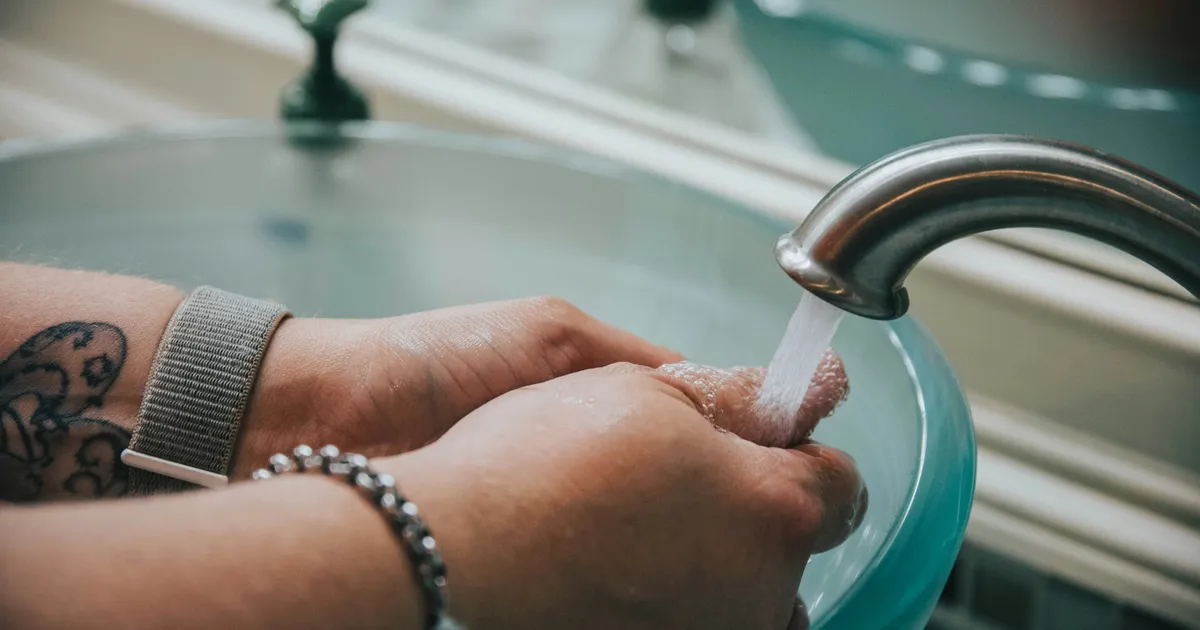
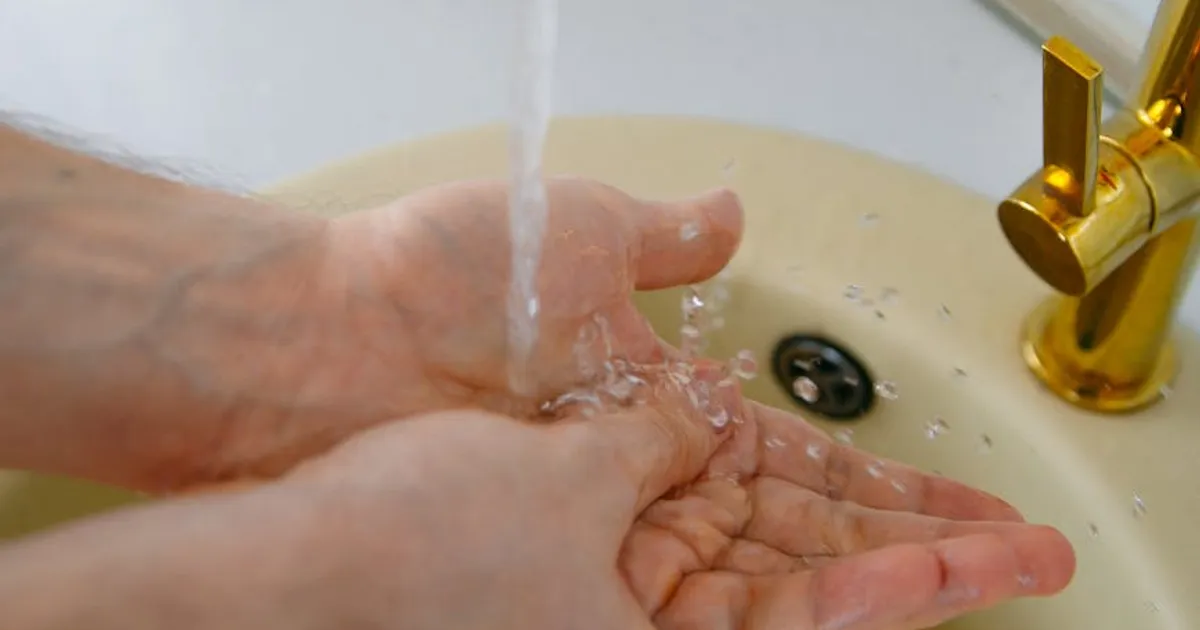
Handwashing remains one of the most effective and simplest ways to prevent the spread of germs and infections. Proper handwashing technique involves wetting your hands with clean, running water (warm or cold), applying soap, and lathering for at least 20 seconds. Ensure you scrub all surfaces, including the backs of your hands, between your fingers, and under your nails. Rinse thoroughly under running water and dry your hands using a clean towel or air dryer. Make sure that you are washing your hands anytime you leave the bathroom and before preparing food.
It’s important to wash your hands frequently throughout the day, particularly after touching surfaces in public places, handling money, using public transportation, coughing, sneezing, or blowing your nose, and before eating or preparing food. Carry alcohol-based hand sanitizer containing at least 60% alcohol for situations where soap and water are not readily available. Regularly washing your hands will remove harmful germs like viruses and other bacteria, minimizing the risk of infection and illness. Maintaining this habit is a crucial step in personal hygiene.
Oral Hygiene: A Healthy Mouth, A Healthy Body
Oral hygiene goes beyond just a bright smile; it’s directly linked to your overall health. Neglecting your teeth and gums can lead to dental problems such as cavities, gum disease, and even systemic infections. A good oral hygiene routine should include brushing your teeth twice a day with fluoride toothpaste, flossing daily to remove plaque and food particles from between your teeth, and using an antimicrobial mouthwash to kill bacteria and freshen breath.
Beyond brushing and flossing, regular dental checkups are essential. Schedule professional cleanings and examinations with your dentist at least twice a year to catch and address any potential problems early. Remember to replace your toothbrush every three months, or sooner if the bristles become frayed. A healthy mouth contributes significantly to your overall well-being, reducing the risk of serious health complications linked to poor oral hygiene. Consider using an electric toothbrush for enhanced cleaning and better plaque removal.
The Importance of Tongue Cleaning
Don’t forget your tongue! Many bacteria reside on the surface of the tongue, contributing to bad breath and potentially affecting your sense of taste. Use a tongue scraper or a specialized toothbrush with a tongue-cleaning surface to gently remove this build-up each day. This simple addition to your oral hygiene routine can make a significant difference in your breath freshness and overall oral health. Make sure you are drinking enough water as well to reduce the bacteria.
Bathing and Showering: Keep Your Body Clean
Regular bathing or showering is essential for removing dirt, sweat, and bacteria from your skin. This helps prevent body odor, skin infections, and other hygiene-related issues. Aim to shower or bathe daily, or more frequently if you exercise or engage in activities that cause you to sweat excessively. Use a mild soap or cleanser that is gentle on your skin to avoid dryness and irritation. Pay attention to areas prone to sweat and odor, such as the armpits, groin, and feet.
After bathing, thoroughly dry your skin, especially in skin folds, to prevent the growth of bacteria and fungi. Apply a moisturizer to keep your skin hydrated and prevent dryness. Choose clean, fresh clothes every day. Ensure that your towels and washcloths are laundered regularly to avoid the buildup of bacteria. Maintaining a clean body promotes not only physical health but also a sense of well-being and confidence. Studies show that clean people are more confident.
Foot Care: Preventing Foot Problems
Your feet work hard every day, and proper foot care is essential for preventing foot problems such as athlete’s foot, fungal nail infections, and blisters. Wash your feet daily with soap and water, paying attention to the areas between your toes. Dry your feet thoroughly after washing, especially between the toes, as moisture can create an environment conducive to fungal growth. Wear clean, dry socks made of breathable materials like cotton or wool.
When wearing shoes, especially in public places like swimming pools and locker rooms, wear sandals or flip-flops to protect your feet from fungal infections. Trim your toenails regularly, cutting them straight across to prevent ingrown toenails. Consider using foot powder to absorb moisture and prevent odor. If you notice any signs of foot problems, consult a podiatrist for treatment. Taking good care of your feet contributes significantly to your overall comfort and mobility.
Nail Care: Keeping Nails Clean and Trimmed
Proper nail care is an important aspect of personal hygiene. Keeping your nails clean and trimmed helps prevent the accumulation of dirt and bacteria underneath the nails, reducing the risk of infections. Regularly wash your hands and use a nail brush to clean under your nails. Trim your nails straight across and avoid cutting them too short, as this can lead to ingrown nails. Always use clean nail clippers or scissors to avoid spreading germs.
Avoid biting your nails, as this can introduce bacteria into your mouth and damage the nail bed. Moisturize your hands and nails regularly to prevent them from becoming dry and brittle. If you get manicures or pedicures, ensure that the salon uses sterilized tools to prevent the spread of infections. Attending to your nail health not only improves your appearance but also contributes significantly to your overall hygiene. The CDC recommends regular visits to the doctor in 2026, if there are any signs of infection.
Clothing Hygiene: Fresh Clothes, Better Health

Wearing clean clothes every day is crucial for maintaining good personal hygiene. Dirty clothes can harbor bacteria and contribute to body odor, skin irritations, and infections. Wash your clothes regularly, especially after exercising or engaging in activities that cause you to sweat. Pay attention to the care instructions on clothing labels and use appropriate detergents and water temperatures to ensure thorough cleaning.
Change your underwear daily, and wash it separately from other clothing items to prevent the spread of germs. Dry your clothes thoroughly before storing them to prevent the growth of mold and mildew. Store your clean clothes in a dry, well-ventilated area. Consider using a laundry sanitizer to kill bacteria and viruses on your clothes, particularly if you have sensitive skin or are concerned about potential infections. Doing so will help ensure your clothes are clean and prevent problems.
Key Takeaways
- Prioritize regular handwashing with soap and water, especially after touching public surfaces.
- Maintain excellent oral hygiene by brushing, flossing, and visiting your dentist regularly.
- Shower or bathe daily to remove dirt, sweat, and bacteria from your skin.
- Pay special attention to foot care, keeping your feet clean and dry to prevent infections.
- Keep your nails clean and trimmed to prevent the accumulation of dirt and bacteria.
- Wear clean clothes every day to prevent body odor and skin irritations.
Frequently Asked Questions

How often should I shower or bathe?
A daily shower or bath is generally recommended to remove dirt, sweat, and bacteria, contributing to overall hygiene and the prevention of body odor and skin issues. More frequent showering can be beneficial after exercise or activities that cause excessive sweating.
What’s the best way to prevent body odor?
Preventing body odor involves maintaining good hygiene habits, showering or bathing regularly, using deodorant or antiperspirant, wearing clean clothes, and staying hydrated. It’s important to focus on areas prone to sweating, such as armpits and groin.
How can I improve my oral hygiene routine?
Enhance your oral hygiene routine by brushing your teeth twice daily with fluoride toothpaste, flossing daily to remove plaque and food particles, using an antimicrobial mouthwash, and visiting your dentist regularly for checkups and cleanings. Consistent attention to these practices is vital for long-term oral health.
What is the proper technique for washing hands?
The correct handwashing technique involves wetting your hands with clean running water, applying soap, lathering for at least 20 seconds (covering all surfaces), rinsing thoroughly under running water, and drying with a clean towel or air dryer. This method effectively removes germs and prevents their spread.
Why is foot care so important?
Foot care is crucial because feet are susceptible to infections, odors, and other hygiene-related issues due to moisture and friction. Cleaning and drying your feet daily, wearing clean socks, and protecting your feet from public surfaces can prevent these problems and promote foot health.
Conclusion
Improving your personal hygiene is a vital investment in your health and well-being. By incorporating these simple but effective tips into your daily routine, you can prevent the spread of infections, boost your self-esteem, and enhance your overall quality of life. Remember to consistently practice these habits and adjust your routine based on your individual needs and circumstances. Good hygiene starts with awareness and a commitment to taking care of yourself, leading to a healthier and happier you in 2026 and beyond. Make sure to speak with your doctor about specific hygiene concerns.