


Embarking on a journey towards a clean and confident lifestyle often begins with establishing consistent daily grooming habits. These aren’t just about superficial appearances; they’re foundational pillars supporting both physical and mental well-being. A well-structured grooming routine can significantly impact your self-esteem, project a positive image, and even improve your overall health. Neglecting personal hygiene can lead to various problems, from skin irritations and infections to a lack of personal confidence in your everyday activities. Understanding the importance and implementing practical strategies for daily care can transform your life, setting you on a path toward a more self-assured and healthier you. This article will serve as your comprehensive guide to crafting a grooming routine that works for you.
Oral Hygiene Essentials
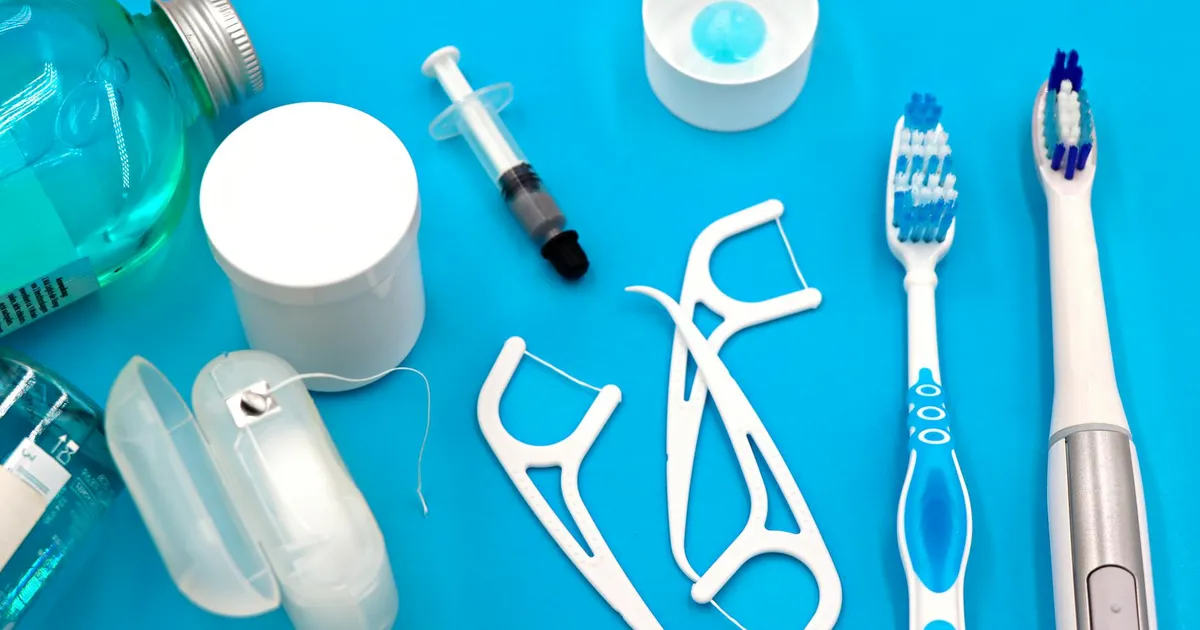
Maintaining stellar oral hygiene isn’t just about a bright smile; it’s a crucial component of overall health. Bacteria in the mouth can contribute to a variety of systemic issues, making daily care paramount. The cornerstone of oral hygiene remains brushing your teeth at least twice a day using a fluoride toothpaste. Employ gentle, circular motions to clean all surfaces of each tooth effectively. Remember to replace your toothbrush every three months or sooner if the bristles become frayed. Regular flossing is equally critical, reaching areas that brushing cannot. You can use floss to remove plaque and food particles between your teeth, preventing gum disease and cavities.
Beyond brushing and flossing, consider incorporating a mouthwash into your daily routine. Choose an antiseptic mouthwash to help kill bacteria and freshen breath. It’s also important to schedule regular dental check-ups and cleanings with your dentist. Professional cleanings can remove hardened plaque (tartar) that you can’t remove at home. Your dentist can also identify potential problems early, allowing for timely intervention. Staying consistent with these oral hygiene habits will greatly assist you in maintaining a healthy and confident smile for years to come. Don’t forget to clean your tongue, as it harbors bacteria as well. Gum disease has been linked to heart disease so make sure to give your mouth the care it needs, starting in 2026.
Skincare Fundamentals
A proper skincare routine is essential for maintaining healthy, radiant skin. The skin is our largest organ and serves as a protective barrier against the environment, so it’s vital to treat it with care. The foundation of any skincare routine starts with gentle cleansing. Choose a cleanser appropriate for your skin type (oily, dry, combination, or sensitive) and wash your face twice a day, in the morning and before bed. This removes dirt, oil, and impurities that can clog pores and lead to breakouts. Over-washing can strip the skin of its natural oils, so avoid harsh soaps and excessive scrubbing.
Following cleansing, moisturizing is key to hydrate and protect your skin. Even oily skin needs moisture, but opt for a lighter, oil-free formula. For dry skin, a richer, more emollient moisturizer can help to lock in hydration. Sunscreen is another non-negotiable step in your daily skincare routine. Apply a broad-spectrum sunscreen with an SPF of 30 or higher every day, regardless of the weather. Sun damage can cause premature aging, wrinkles, and an increased risk of skin cancer. In addition to your cleanser, moisturizer, and sunscreen, consider incorporating targeted treatments such as serums or exfoliants into your routine. A well-rounded skincare routine is an investment in the health and appearance if your skin.
Dealing with Problem Skin
If you’re facing specific skin concerns like acne, eczema, or rosacea, then it is best practice to consider consulting with a dermatologist. They can provide personalized recommendations and prescribe medications if necessary. For acne, over-the-counter treatments containing benzoyl peroxide or salicylic acid can be helpful. Eczema requires gentle care with fragrance-free products and regular moisturizing. Rosacea can be triggered by various factors, including sunlight, stress, and spicy foods, so identifying and avoiding these triggers is vital.
Hair Care and Styling
Maintaining healthy hair involves more than just shampooing and conditioning. Understanding your hair type (oily, dry, normal, or combination) and choosing products accordingly is crucial. Washing your hair too frequently can strip it of its natural oils, leading to dryness and damage. Generally, washing every other day or every few days is sufficient. When you wash, use a gentle shampoo and conditioner that are free of harsh sulfates and parabens. Focus on cleansing the scalp and conditioning the ends of your hair.
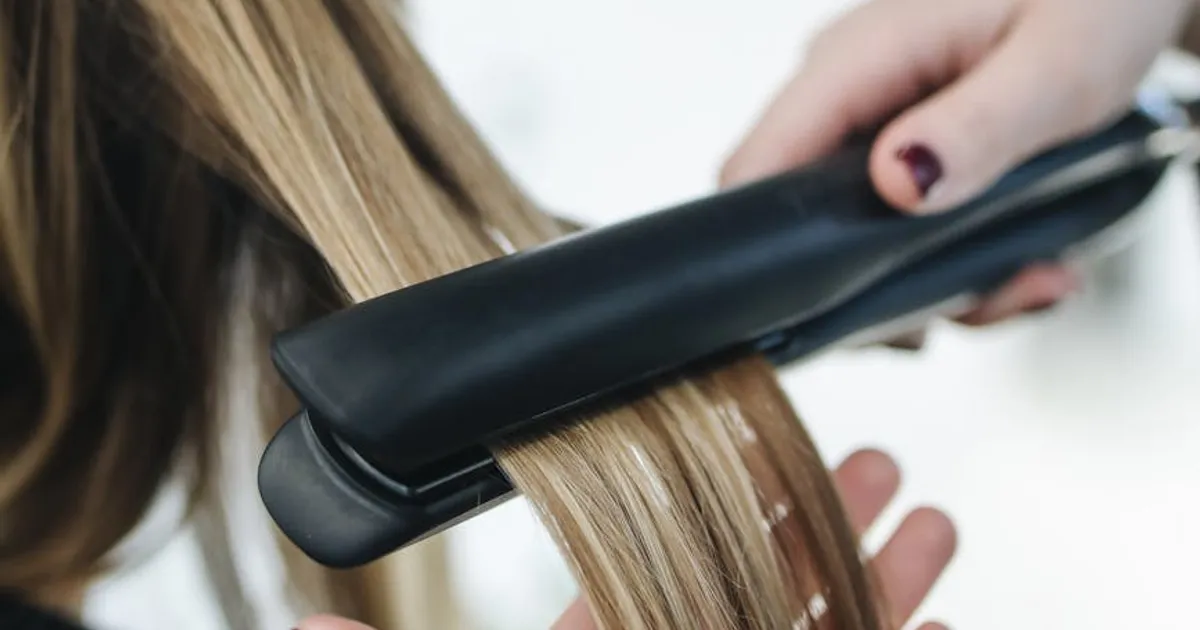
Proper drying and styling techniques can also greatly affect the health of your hair. Avoid rubbing your hair vigorously with a towel, as this can cause breakage. Instead, gently blot it dry or use a microfiber towel. When using heat styling tools like blow dryers, curling irons, or flat irons, always use a heat protectant spray to minimize damage. Trimming your hair regularly, every 6-8 weeks, helps to remove split ends and keep your hair looking healthy and vibrant. If you color your hair, use color-safe products to extend the life of your dye and prevent fading. Be mindful of the products you use, and avoid those that contain alcohol, which can dry the hair out. Taking care of your hair will keep it looking its best.
Body Hygiene and Odor Control

Maintaining body hygiene is vital for preventing body odor and infections. Showering or bathing regularly, ideally daily, is the first step. Use a gentle soap or body wash to cleanse your skin, paying particular attention to areas prone to sweating, such as the underarms, groin, and feet. After showering, thoroughly dry yourself, especially in skin folds, to prevent fungal growth. Apply a deodorant or antiperspirant to control body odor. Deodorants mask odor, while antiperspirants reduce sweating.
Proper foot care is also crucial for body hygiene. Wash your feet daily and dry them thoroughly, and wear clean, breathable socks. Change your socks at least once a day, especially if your feet tend to sweat. Trim your toenails straight across to prevent ingrown toenails. Keep an eye out for signs of fungal infections, such as athlete’s foot, and treat them promptly. Don’t forget to invest in quality shoes. They can promote good posture and reduce pain. Maintaining good body hygiene is a simple yet impactful way to promote overall health and well-being.
Nail Care
Well-groomed nails project an image of neatness and care. Regular nail care is not just about aesthetics; it also helps prevent infections and injuries. Start by keeping your nails clean and dry. This helps prevent the growth of bacteria and fungi under your nails. Trim your nails regularly, and shape them with a nail file. Avoid cutting your nails too short, as this can increase the risk of ingrown nails. When trimming your nails, cut them straight across and then round the corners slightly with a file.
Moisturizing your nails and cuticles is also important. Use a cuticle oil or cream to keep your cuticles hydrated and prevent them from drying out and cracking. Don’t bite or pick at your nails or cuticles, as this can damage the nail bed and increase the risk of infection. If you get manicures or pedicures, make sure the salon uses sterilized tools and follows proper hygiene practices. If it is predicted that by 2026, the use of at-home nail kits will continue rising, it is helpful to ensure that you buy quality materials for safer usage.
Clothing and Laundry Habits
Wearing clean clothes is an integral part of daily grooming. Regularly washing your clothes not only removes visible dirt and stains but also eliminates bacteria and sweat that can cause body odor and skin irritations. Separate your laundry into whites, colors, and delicates, and use a detergent appropriate for each type of fabric. Wash your clothes in warm or hot water to kill bacteria and remove stains. If you have allergies or sensitive skin, choose a fragrance-free and dye-free detergent.
It is crucial to wash your bedding regularly, at least once a week, to remove dust mites, sweat, and dead skin cells. These are the primary reasons that could lead to allergies. Change your towels every few days to prevent the growth of mold and mildew. Make sure your clothes are completely dry before storing them to prevent mildew. Ironing your clothes not only makes you look more polished but also helps to kill any remaining bacteria. Proper clothing and laundry habits can significantly contribute to your overall cleanliness and hygiene. Investing time into your grooming process is an essential piece to maintaining a confident lifestyle.
Key Takeaways
- Establish a consistent daily grooming routine to support both physical and mental well-being.
- Prioritize oral hygiene through regular brushing, flossing, and dental check-ups.
- Develop a skincare routine that includes cleansing, moisturizing, and sun protection.
- Choose hair care products and styling techniques that suit your hair type.
- Maintain body hygiene through regular showering, deodorant/antiperspirant use, and foot care.
- Pay attention to nail care by keeping nails clean, trimmed, and moisturized.
- Practice good clothing and laundry habits to remove bacteria and maintain cleanliness.
Frequently Asked Questions
How often should I shower?
Most people should shower daily, but if you don’t sweat much or have dry skin, showering every other day may suffice.
What’s the best way to prevent body odor?
Shower daily with soap, use deodorant or antiperspirant, wear clean clothes, and maintain good hygiene.
How can I improve my skin’s appearance?
Follow a consistent skincare routine including cleansing, moisturizing, and sunscreen. Consider using targeted treatments for specific skin concerns.
Should I see a dermatologist?
If you have persistent skin problems, such as acne, eczema, or rosacea, consult a dermatologist for personalized advice and treatment.
What are some quick grooming tips for busy mornings?
Prioritize the essentials: brush your teeth, wash your face, apply deodorant, and style your hair. Prepare the night before by laying out your clothes and packing your bag.
Conclusion
Adopting daily grooming habits is more than just a routine; it’s an investment in your overall well-being. By prioritizing these practices, you not only enhance your physical appearance, but also cultivate a sense of self-assurance and confidence. Incorporating these tips into your daily life doesn’t require extensive time or effort; rather, it’s about making conscious choices to prioritize your hygiene and personal care. A clean and confident lifestyle is accessible to everyone, and it starts with embracing the power of daily grooming.