

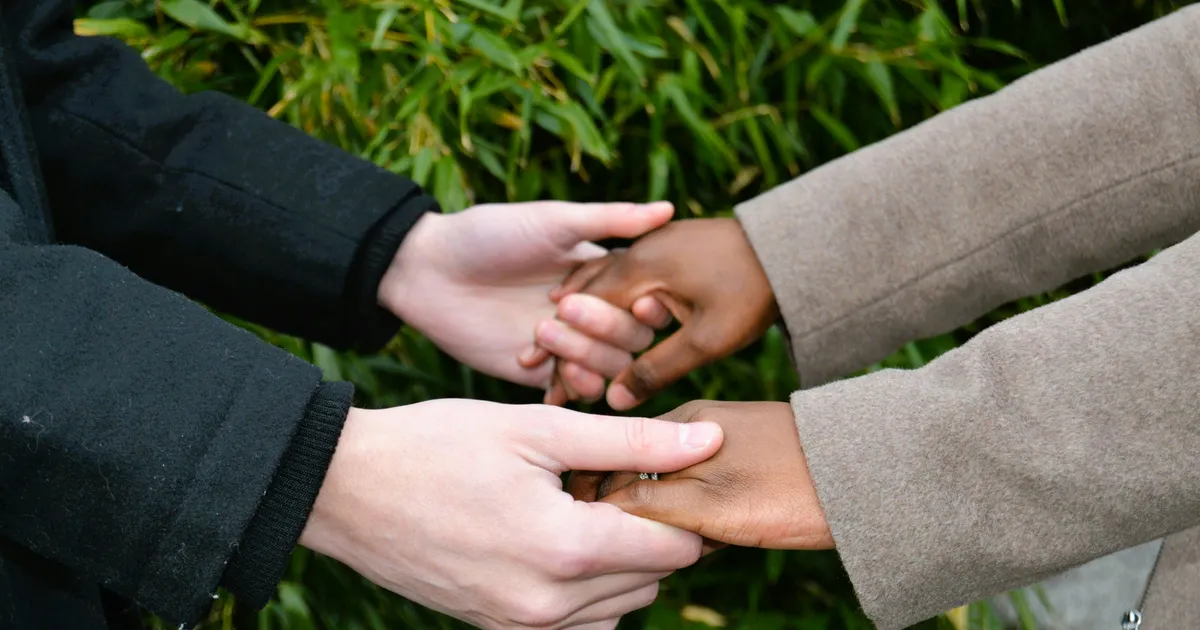
Conflict resolution methods are essential for maintaining peaceful and healthy relationships in all facets of life, from personal partnerships to professional collaborations. Disagreements are inevitable, but the way we navigate these conflicts determines the strength and longevity of our connections. Implementing effective strategies can transform potentially damaging encounters into opportunities for growth, understanding, and deeper bonds. In 2026, mastering these techniques is more relevant than ever in our increasingly interconnected and often polarized world. By choosing constructive alternatives to arguments, individuals can foster empathy, improve communication, and cultivate a more harmonious environment in all areas of their lives.
Understanding the Root Causes of Conflict
Before diving into specific resolution methods, it’s crucial to understand the underlying causes of conflict. Often, disagreements aren’t simply about the surface issue at hand, but stem from deeper unmet needs, differing values, or miscommunications. Identifying these root causes involves active listening, empathy, and a willingness to look beyond your own perspective. Understanding the ‘why’ behind the disagreement can significantly improve the chances of finding a mutually agreeable solution. By recognizing the emotional drivers behind the conflict, it becomes possible to address the true concerns and work towards a resolution that acknowledges and validates everyone’s needs.
Common triggers include contrasting expectations, limited resources, personality clashes, and differences in communication styles. For instance, in a workplace, a dispute over project responsibilities might actually be fueled by a lack of clear role definitions or a feeling of unequal workload distribution. Similarly, in a personal relationship, frequent arguments about finances could be rooted in differing values about saving versus spending. Conflict resolution training helps to sharpen these diagnostic skills, ultimately paving the way for more productive discussions.
Active Listening and Empathetic Communication

Active listening is a cornerstone of effective conflict resolution. It involves fully concentrating on what the other person is saying, both verbally and nonverbally, without interrupting or planning your response. Empathetic communication takes this a step further by attempting to understand and share the feelings of the other person. This requires putting yourself in their shoes, acknowledging their perspective, and validating their emotions, even if you don’t agree with their viewpoint. Demonstrating empathy fosters trust and creates a safe space for open dialogue, making it easier to find common ground.
Techniques for active listening include maintaining eye contact, nodding, using verbal affirmations (“I understand”), and summarizing what the other person has said to ensure clarity. Empathetic communication involves using “I” statements to express your own feelings and needs without blaming or accusing the other person. For example, instead of saying “You always make me feel ignored,” try “I feel ignored when I’m not included in these decisions.” This approach fosters a more collaborative and less defensive atmosphere, ultimately promoting more constructive conversations by the year 2026.
Negotiation and Compromise Strategies
Negotiation and compromise are essential skills for resolving conflicts peacefully. Negotiation involves finding a mutually acceptable solution through discussion and compromise. It requires a willingness to give and take, and a focus on finding common ground rather than winning the argument. Effective negotiation involves clearly defining your own needs and interests, understanding the other person’s needs and interests, and exploring various options that could satisfy both parties. Compromise, on the other hand, is about making concessions to reach an agreement that is acceptable, even if it is not ideal for either party.
Successful negotiation often involves brainstorming creative solutions and being open to possibilities beyond the initial positions. For example, imagine two colleagues disagreeing on the best approach for a marketing campaign. Instead of rigidly sticking to their own ideas, they could brainstorm new strategies that incorporate elements from both approaches. A key technique is also to separate the person from the problem, focusing on the issue at hand rather than attacking the other person’s character or intentions. This approach fosters a more collaborative environment conducive to finding a win-win outcome. Check out resources on conflict management from the Harvard Negotiation Project ([https://www.pon.harvard.edu/](https://www.pon.harvard.edu/)) for further insights.
Finding Win-Win Solutions
The ultimate goal of negotiation should be to find “win-win” solutions where both parties feel their needs are met, even if not perfectly. This requires creativity, flexibility, and a willingness to explore options beyond the initial demands. Win-win solutions often involve identifying shared interests and values, and focusing on how to achieve those common goals together. By reframing the conflict as a collaborative problem-solving effort, rather than an adversarial battle, it becomes easier to find mutually beneficial outcomes.
Mediation and Third-Party Intervention

When direct negotiation fails, mediation or third-party intervention can be a valuable tool. Mediation involves bringing in a neutral third party to facilitate communication and guide the parties towards a resolution. The mediator doesn’t impose a solution but helps the parties understand each other’s perspectives, identify common ground, and explore potential solutions. The process can be particularly useful in situations where emotions are running high, or communication has broken down.
The role of the mediator is to create a safe and structured environment for dialogue. They use techniques such as active listening, reframing, and reality testing to help the parties move beyond their initial positions and find mutually acceptable solutions. Mediation can be effective in a wide range of conflicts, from workplace disputes to family disagreements. Before seeking mediation, explore resources offered by organizations such as the American Arbitration Association ([https://www.adr.org/](https://www.adr.org/)) to better understand the process and its potential benefits.
Setting Boundaries and Assertive Communication
Assertive communication plays a crucial role in preventing and resolving conflicts. Assertiveness involves expressing your needs and opinions clearly and respectfully, without being aggressive or passive. Setting boundaries is a related skill that involves defining your limits and expectations in relationships, and communicating them to others. By communicating assertively and setting boundaries, you can protect yourself from being taken advantage of, and create healthier, more balanced relationships. These techniques are essential for maintaining respectful and productive interactions.
Assertive communication involves using “I” statements to express your feelings and needs without blaming or accusing the other person. It also involves actively listening to the other person’s perspective and acknowledging their feelings, even if you disagree with them. Setting boundaries involves clearly communicating what you are willing and unwilling to do, and enforcing those boundaries consistently. For example, if you consistently feel overwhelmed at work, assertively communicate your workload limits to your supervisor and propose solutions for better workload allocation. In 2026, setting clear boundaries is not viewed as selfish but as a sign of a mature and respectful individual.
Forgiveness and Letting Go
Forgiveness is a powerful tool for resolving conflict, even if it doesn’t always lead to complete reconciliation. Forgiveness involves releasing anger and resentment towards someone who has wronged you, and choosing to move forward without holding onto bitterness. It doesn’t mean condoning the other person’s actions or forgetting what happened, but rather choosing to free yourself from the negative emotions that are holding you back. Letting go, similarly, involves accepting that some conflicts may never be fully resolved, and choosing to disengage rather than continuing to invest emotional energy into a fruitless battle. Both are acts of self-care.
Forgiveness isn’t always easy, and it’s a process that may take time. It often involves acknowledging the pain and hurt that you have experienced, processing your emotions, and eventually choosing to release the anger and resentment. Letting go involves recognizing when a conflict is no longer serving you, and consciously shifting your focus towards other priorities. Even without a formal apology, choosing to forgive can release you from a personal torment stemming from unresolved conflict. These strategies are crucial for maintaining inner peace and building healthier relationships in the long run.
Key Takeaways
- Conflict resolution is essential for healthy relationships.
- Understanding the root causes of conflict is crucial.
- Active listening and empathy are key communication skills.
- Negotiation and compromise can lead to win-win solutions.
- Setting boundaries protects personal well-being.
- Forgiveness promotes healing and closure.
Frequently Asked Questions

What if the other person refuses to cooperate?
If the other person is unwilling to engage in constructive dialogue, focus on managing your own reactions and setting healthy boundaries. You cannot control their behavior, but you can control how you respond. Consider seeking mediation or, if the situation is toxic, disengaging from the relationship altogether.
How do I handle conflict with a difficult personality?
Dealing with a difficult personality requires patience and empathy. Try to understand their perspective, even if you don’t agree with it. Use “I” statements to express your needs clearly and respectfully. If the conflict escalates, consider seeking mediation or involving a neutral third party.
What if I am afraid of confrontation?
Fear of confrontation is common. Start by practicing assertive communication in low-stakes situations. Focus on expressing your needs and opinions calmly and respectfully. Remember that expressing yourself assertively is not the same as being aggressive.
How can I improve my conflict resolution skills?
There are many resources available to improve your conflict resolution skills, including books, workshops, and online courses. Practice active listening, empathetic communication, and negotiation techniques. Seek feedback from trusted friends or colleagues.
Is it always possible to resolve conflicts peacefully?
While the goal is always to resolve conflicts peacefully, it is not always possible. In some situations, the differences may be irreconcilable, or one party may be unwilling to compromise. In these cases, it may be necessary to disengage from the relationship or seek legal intervention.
Conclusion
Mastering conflict resolution methods is an ongoing journey that requires commitment, patience, and a willingness to learn. By understanding the root causes of conflict, practicing active listening and empathy, and developing effective negotiation skills, individuals can build stronger, more resilient relationships. Although disagreements are inevitable, learning to navigate them constructively transforms potentially destructive encounters into opportunities for growth, understanding, and deeper connections. By embracing these strategies, one may foster a more peaceful and harmonious environment not only in their personal life, but within their professional domain as well, ensuring that in 2026, conflicts will be managed with emotional intelligence.