

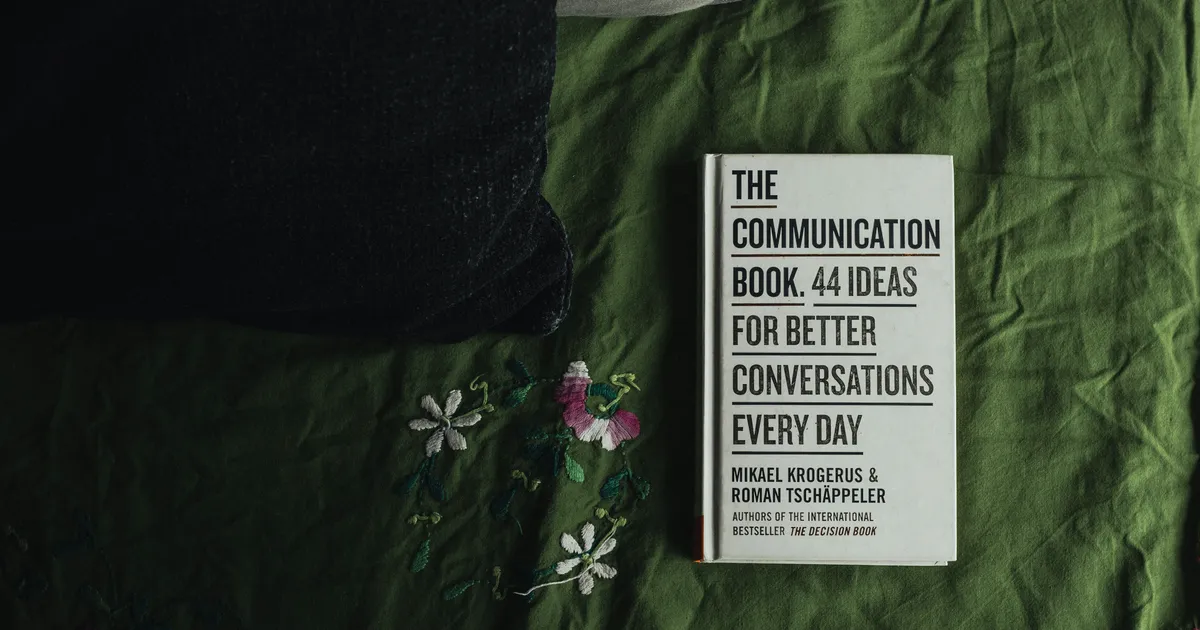
Healthy communication habits are the cornerstone of any thriving relationship, providing a foundation for mutual understanding, respect, and lasting connection. Cultivating these habits in your daily life as a couple isn’t a one-time fix, but an ongoing process of learning, adapting, and prioritizing each other’s emotional needs. When communication falters, it can lead to misunderstandings, resentment, and ultimately, relationship breakdown. This article delves into the critical aspects of healthy communication, offering actionable strategies and insights that can empower you and your partner to build a stronger, more fulfilling bond. By understanding and implementing these practices, couples can navigate challenges, foster intimacy, and create a relationship that flourishes in 2026 and beyond.
Active Listening and Empathy
Active listening goes beyond simply hearing what your partner says; it involves fully focusing on their words, understanding their emotions, and responding in a way that demonstrates your comprehension. This means putting aside your own thoughts and judgments, making eye contact, and using nonverbal cues like nodding to show your engagement. Empathy, a crucial component of active listening, requires you to step into your partner’s shoes and try to see the situation from their perspective. By actively listening and demonstrating empathy, you create a safe space where your partner feels heard, validated, and understood. This is essential for building trust and resolving conflicts constructively.
To practice active listening, try summarizing what your partner has said to ensure you’ve understood correctly. Ask clarifying questions if anything is unclear, and validate their feelings even if you don’t necessarily agree with their viewpoint. For example, you might say, “It sounds like you’re feeling frustrated about the situation at work, and I understand why.” This simple statement shows your partner that you’re listening and acknowledging their emotional experience. Remember that active listening is not about offering immediate solutions or advice, but about providing a supportive and understanding presence. Resources like the Gottman Institute’s blog (an authoritative site on relationships – consider linking) offer further insights into mastering this vital skill.
Tips for Showing Empathy
Showing empathy can be difficult if you’re feeling defensive or triggered, but it’s crucial for healthy communication. Try to identify the emotions your partner is expressing, and reflect those emotions back to them. Use phrases like, “I can see that you’re feeling…” or “It sounds like you’re going through a tough time.” Avoid dismissing their feelings or minimizing their experiences. Instead, focus on validating their perspective, even if you don’t fully understand it. Remember that empathy is not about agreeing with your partner, but about understanding and acknowledging their emotional state. This will foster a deeper connection and allow for more productive conversations about potentially difficult topics.
Expressing Your Needs Clearly
Expressing your needs clearly and assertively is crucial for fostering a healthy dynamic within your relationship. This means communicating your desires, boundaries, and expectations in a direct, respectful manner, without resorting to passive-aggressive behavior or blaming. When you clearly articulate your needs, you give your partner the opportunity to understand and meet them. This prevents misunderstandings, reduces resentment, and encourages a collaborative problem-solving approach. Learning to effectively communicate your needs requires self-awareness, vulnerability, and the willingness to engage in open and honest conversations. In 2026, couples who master this skill are more likely to enjoy fulfilling and harmonious relationships.
Instead of saying, “You never help out around the house,” try expressing your need in a more specific and constructive way, such as, “I’ve been feeling overwhelmed with chores lately, and I would really appreciate it if you could take on some additional responsibilities, like doing the dishes twice a week.” This approach clearly conveys your feelings and makes a specific request, increasing the likelihood of a positive response. When expressing your needs, use “I” statements to focus on your own feelings and experiences, rather than blaming or accusing your partner. Practice active listening when your partner responds, and be open to compromise and finding solutions that work for both of you. Remember, expressing your needs is not selfish; it’s an act of self-respect and a vital component of a healthy relationship.
Conflict Resolution Strategies

Conflict is inevitable in any relationship, but it’s how you handle conflict that determines its impact on your bond. Healthy conflict resolution involves approaching disagreements with a focus on finding solutions, rather than assigning blame. One effective strategy is to take a timeout when emotions run high, allowing both partners to cool down and gather their thoughts before continuing the conversation. It’s important to establish ground rules for conflict resolution, such as avoiding personal attacks, listening respectfully, and focusing on the specific issue at hand. Remember that the goal is not to “win” the argument, but to understand each other’s perspectives and find a mutually acceptable resolution.
Another valuable conflict resolution technique is to focus on the underlying needs and interests of both partners. Often, conflicts arise because specific needs are not being met. By exploring these underlying needs, you can find creative solutions that address the root cause of the issue. For instance, a disagreement about spending money might stem from a deeper need for security or financial stability. Remember that compromise is often necessary for resolving conflicts effectively; be willing to meet your partner halfway and find solutions that consider both of your needs. Seeking guidance from a relationship therapist or counselor can provide valuable tools and strategies for navigating conflicts in a healthy and constructive way.
Using “I” Statements Effectively
“I” statements are a powerful communication tool that allows you to express your feelings and needs without blaming or accusing your partner. They shift the focus from your partner’s actions to your own internal experience, making it easier for them to hear and understand your perspective. A typical “I” statement follows this structure: “I feel [emotion] when [specific situation] because [your need].” By using “I” statements, you take ownership of your feelings and avoid putting your partner on the defensive, which can often escalate conflicts. Mastery of ‘I’ statements can significantly improve daily interactions within a committed relationship.
For example, instead of saying, “You always ignore me when I’m talking,” try saying, “I feel ignored when you look at your phone while I’m talking because I need your full attention to feel heard and understood.” This “I” statement clearly expresses your feelings, identifies the specific behavior that’s causing those feelings, and articulates the underlying need that’s not being met. Avoid using “I” statements as a veiled way to criticize your partner; be genuinely focused on expressing your own experience. Practice using “I” statements in your daily conversations, and you’ll notice a significant improvement in your ability to communicate your needs effectively and resolve conflicts constructively.
The Importance of Nonverbal Communication
Nonverbal communication plays a crucial role in shaping the dynamics of your relationship. Body language, facial expressions, tone of voice, and even physical touch can convey a wealth of information, often more powerfully than words alone. Being mindful of your nonverbal cues and paying attention to your partner’s nonverbal cues is essential for effective and harmonious communication. Remember that nonverbal communication is often subconscious, so it’s important to be aware of how your body language might be impacting your partner, even if you’re not consciously intending to send a particular message. This is especially important to consider in 2026, as reliance on digital communication grows.
For example, maintaining eye contact, smiling, and using open body language can convey that you’re engaged, interested, and receptive to your partner’s words. Conversely, avoiding eye contact, crossing your arms, and frowning can signal disinterest, defensiveness, or disapproval. Pay attention to your partner’s nonverbal cues as well; they might be telling you something even if they’re not explicitly stating it. For example, a slumped posture and a sigh might indicate that they’re feeling stressed or overwhelmed. When you notice such cues, ask them if they’re alright and offer your support. By becoming more attuned to nonverbal communication, you can deepen your understanding of your partner and foster a stronger connection.
Prioritizing Quality Time and Connection
In the hustle and bustle of daily life, it’s easy to let quality time and connection with your partner fall by the wayside. However, prioritizing these elements is essential for maintaining a healthy and fulfilling relationship. Quality time is not just about being physically present with your partner, but about being mentally and emotionally engaged. This means putting away distractions, such as phones and computers, and focusing your attention solely on each other. Whether it’s going for a walk, cooking a meal together, or simply cuddling on the couch, find activities that allow you to connect on a deeper level.
Regular communication is about spending focused attention on your partner. Schedule date nights, plan weekend getaways, or create daily rituals that foster connection. Even short, meaningful interactions can make a big difference; a heartfelt conversation over coffee, a loving text message, or a simple expression of appreciation can strengthen your bond. Remember that quality time is not just about grand gestures, but about the consistent effort to prioritize your relationship and nurture your connection. By making quality time a regular part of your routine, you can keep the spark alive and create a strong foundation for a lasting and fulfilling partnership. You may find resources such as Psychology Today to offer insight into relationship dynamics (carefully consider authoritative external links).
Key Takeaways
- Practice active listening and empathy to foster understanding and validation.
- Express your needs clearly and assertively, using “I” statements.
- Develop healthy conflict resolution strategies, focusing on solutions rather than blame.
- Be mindful of nonverbal communication and its impact on your relationship.
- Prioritize quality time and connection to nurture your bond.
- Seek professional guidance from a therapist or counselor when needed.
Frequently Asked Questions
How can I improve my active listening skills?
To improve your active listening skills, practice focusing your full attention on your partner when they’re speaking. Avoid interrupting, making judgments, or planning your response while they’re talking. Show your engagement through nonverbal cues, such as eye contact and nodding. Ask clarifying questions to ensure you understand their perspective, and summarize what they’ve said to confirm your comprehension. Most importantly, be empathetic and validate their feelings, even if you don’t necessarily agree with their viewpoint.
What are some examples of “I” statements?
Here are a few examples of “I” statements: “I feel hurt when you cancel our plans at the last minute because I value our time together.” “I feel overwhelmed when the house is messy because I need a clean and organized environment to feel calm.” “I feel appreciated when you acknowledge my efforts because I want to know that my contributions are valued.” Remember to focus on your own feelings and needs, rather than blaming or accusing your partner.
How can we resolve conflicts more constructively?
To resolve conflicts more constructively, establish ground rules for disagreements, such as avoiding personal attacks and listening respectfully. Take a timeout when emotions run high, allowing both partners to cool down before continuing the conversation. Focus on the specific issue at hand and explore the underlying needs and interests of both partners. Be willing to compromise and find solutions that work for both of you. Consider seeking guidance from a relationship therapist or counselor.
Why is nonverbal communication so important?
Nonverbal communication often conveys more powerful messages than words alone. Body language, facial expressions, tone of voice, and physical touch can communicate emotions, attitudes, and intentions. Being mindful of your nonverbal cues and paying attention to your partner’s nonverbal cues can help you understand each other better and foster a stronger connection. Misinterpreted nonverbal cues can lead to misunderstandings and conflict.
How do we prioritize quality time in our busy lives?
To prioritize quality time, schedule regular date nights or weekend getaways. Create daily rituals that foster connection, such as having breakfast together or cuddling before bed. Put away distractions, such as phones and computers, when spending time with your partner. Focus your full attention on each other and engage in activities that you both enjoy. Even short, meaningful interactions can make a big difference in strengthening your bond. Remember, that building healthy communication habits requires a willingness to dedicate the time, effort and energy it requires.
Conclusion

Cultivating healthy communication habits is an ongoing journey that requires commitment, effort, and a willingness to learn and grow together. By practicing active listening, expressing your needs clearly, resolving conflicts constructively, and prioritizing quality time, you and your partner can build a stronger, more fulfilling relationship. Remember that communication is not a one-way street; it requires both partners to be actively engaged and willing to meet each other halfway. Don’t be afraid to seek professional guidance from a therapist or counselor if you’re struggling to improve your communication skills. With dedication and effort, you can transform your relationship and create a lasting bond built on trust, understanding, and mutual respect.