

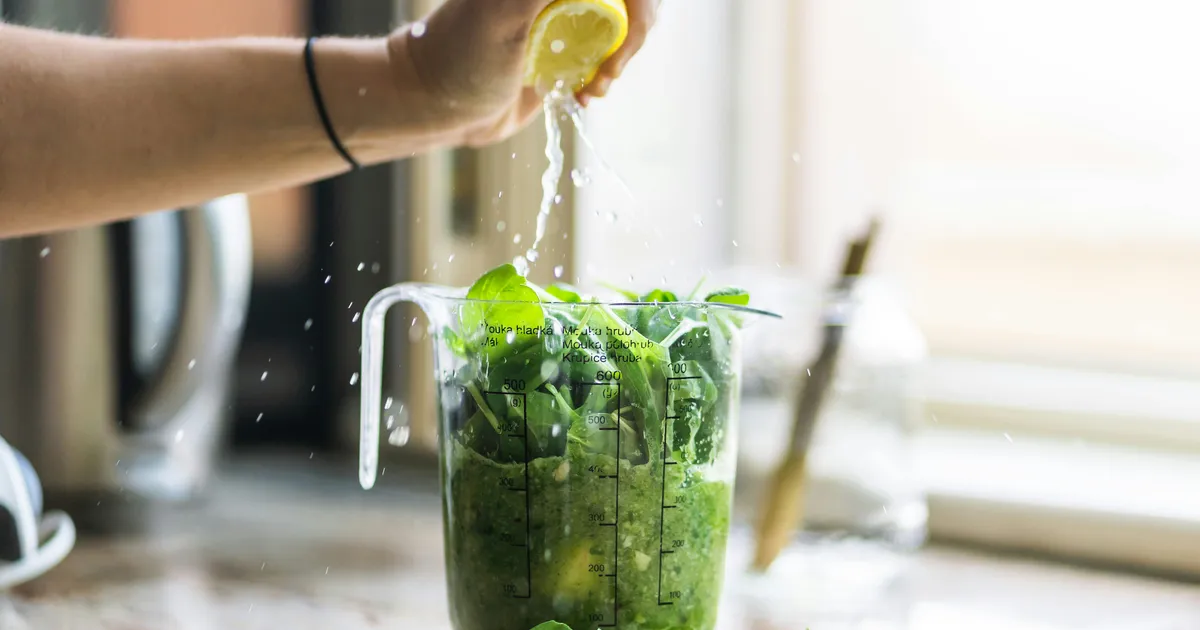
Embarking on a detox lifestyle doesn’t require drastic measures; rather, it involves incorporating simple, sustainable habits that enhance your body’s natural detoxification processes. This approach focuses on supporting your liver, kidneys, and digestive system, the primary organs responsible for eliminating waste and toxins. By adopting these lifestyle adjustments, you can experience improved energy levels, enhanced digestion, clearer skin, and a general sense of well-being. It’s about making conscious choices that nurture your body from the inside out, leading to optimal function and vitality. This article delves into practical detox lifestyle tips that are easily integrated into your daily routine, helping you pave the way for a healthier, more vibrant you in 2026.
Hydration is Key

Water is essential for every bodily function, including detoxification. It helps flush out toxins, transports nutrients, and keeps your cells hydrated. Aim to drink at least eight glasses of water per day, and even more if you are physically active or live in a warm climate. You can enhance your water intake by adding slices of lemon, cucumber, or berries for added flavor and antioxidant benefits. These infused waters can also help stimulate digestion and further support your body’s natural cleansing processes. Prioritizing adequate hydration is one of the simplest yet most effective ways to support a detox lifestyle.
Beyond plain water, consider incorporating herbal teas into your detox routine. Green tea, dandelion root tea, and ginger tea are particularly beneficial. Green tea is rich in antioxidants that combat free radicals, dandelion root tea supports liver function, and ginger tea aids digestion and reduces inflammation. These teas not only contribute to your daily fluid intake but also provide additional health benefits that complement your detox efforts. Remember consistency is key; make hydration a daily habit for long-term well-being and improved body function.
Nourish with Whole Foods

A foundation of whole foods is crucial for any detox lifestyle. Focus on consuming plenty of fruits, vegetables, whole grains, and lean proteins. These foods are naturally rich in vitamins, minerals, and fiber, which support your body’s detoxification pathways. Fiber, in particular, helps move waste through your digestive system, preventing constipation and promoting regular bowel movements. Prioritize organic produce whenever possible to minimize your exposure to pesticides and other harmful chemicals. Consider a plant based diet if you are looking to minimize the industrial toxin load in your body.
Processed foods, on the other hand, are often loaded with artificial ingredients, unhealthy fats, and added sugars, which can burden your liver and hinder the detoxification process. Limit your intake of these foods and focus on preparing meals from scratch using fresh, whole ingredients. By nourishing your body with nutrient-dense foods, you provide it with the building blocks it needs to function optimally and eliminate waste effectively. A mindful approach to your diet is a cornerstone of a successful detox lifestyle. Reducing inflammation through diet is very important.
Embrace Regular Exercise

Physical activity plays a vital role in detoxification by increasing circulation, promoting sweating, and supporting lymphatic drainage. Aim for at least 30 minutes of moderate-intensity exercise most days of the week. This could include brisk walking, jogging, swimming, or cycling. Exercise helps stimulate the lymphatic system, which is responsible for removing waste and toxins from your tissues. Consistent movement helps your body’s detox process.
In addition to cardiovascular exercise, incorporate strength training into your routine. Building muscle mass helps boost your metabolism, which further supports detoxification. Strength training also improves insulin sensitivity, which can help regulate blood sugar levels and reduce inflammation. Find activities you enjoy to make it more likely that you will stick to your exercise routine consistently. Consider working with a qualified fitness professional to develop a personalized exercise plan that meets your individual needs and goals.
Prioritize Sleep

Adequate sleep is essential for your body’s natural detoxification processes. During sleep, your brain clears out toxins and repairs cells. Aim for 7-9 hours of quality sleep per night to allow your body to fully recover and rejuvenate. Establish a regular sleep schedule by going to bed and waking up around the same time each day, even on weekends. A good night’s rest contributes significantly to your health, it is not a luxury.
Create a relaxing bedtime routine to prepare your body for sleep. This could include taking a warm bath, reading a book, or practicing meditation. Avoid screen time for at least an hour before bed, as the blue light emitted from electronic devices can interfere with melatonin production. Ensure your bedroom is dark, quiet, and cool to create an optimal sleep environment. If you struggle with sleep, consider consulting with a healthcare professional to identify any underlying issues and explore potential solutions.
Manage Stress Effectively
Chronic stress can negatively impact your body’s detoxification processes by increasing inflammation and disrupting hormone balance. Find healthy ways to manage stress, such as practicing mindfulness, meditation, yoga, or spending time in nature. These activities can help calm your nervous system, reduce cortisol levels (the stress hormone), and promote a sense of well-being. Regular stress management techniques are important.
Identify the sources of stress in your life and take steps to minimize them. This could involve setting boundaries, delegating tasks, or seeking professional help. Surround yourself with supportive people who lift you up and encourage you to prioritize your well-being. Remember that self-care is not selfish; it is essential for maintaining your physical and mental health. In 2026, prioritizing stress management may be the most important thing you do for your health.
Consider Dry Brushing
Dry brushing is a simple yet effective technique that can help stimulate lymphatic drainage and exfoliate the skin. Use a natural bristle brush and gently brush your skin in long, sweeping motions towards your heart. This helps to remove dead skin cells, improve circulation, and support the lymphatic system’s ability to remove toxins from your tissues. Practice daily for optimal results.
Limit Exposure to Toxins
Minimize your exposure to environmental toxins by choosing natural cleaning products, using organic skincare, and avoiding processed foods. These products often contain harmful chemicals that can disrupt your endocrine system and burden your liver. Opt for products that are free of parabens, phthalates, sulfates, and artificial fragrances. Become a conscious consumer.
Pay attention to the air quality in your home and office. Open windows regularly to ventilate your space and consider using an air purifier to remove pollutants. Avoid smoking and limit your exposure to secondhand smoke. Be mindful of the water you drink and consider using a water filter to remove chlorine, lead, and other contaminants. By reducing your exposure to toxins, you can ease the burden on your body’s detoxification systems and promote optimal health.
Key Takeaways
- Prioritize hydration by drinking plenty of water and herbal teas.
- Focus on consuming whole, unprocessed foods rich in nutrients and fiber.
- Engage in regular physical activity to promote circulation and lymphatic drainage.
- Ensure adequate sleep to allow your body to rest, repair, and detoxify.
- Manage stress effectively through mindfulness, meditation, or other relaxation techniques.
- Minimize exposure to environmental toxins by choosing natural products and improving air quality.
Frequently Asked Questions
What are the signs that my body needs a detox?
Common signs include fatigue, digestive issues, skin problems, brain fog, and frequent headaches. These symptoms can indicate that your body is struggling to eliminate toxins effectively.
How often should I detox?
A gentle, daily detox approach is generally more effective than short-term, extreme detoxes. Focus on incorporating the lifestyle tips mentioned above into your daily routine for long-term benefits. Occasional focused detoxification, as needed, should be discussed with a qualified health professional and their guidance followed.
Are detox diets safe?
Extreme detox diets can be harmful as they may deprive your body of essential nutrients and lead to dehydration or electrolyte imbalances. Focus on sustainable lifestyle changes rather than restrictive diets. Always consult with a healthcare provider before starting any detox program.
Can I detox while pregnant or breastfeeding?
It is generally not recommended to detox while pregnant or breastfeeding, as toxins released during the process could potentially harm the baby. Always consult with your doctor before making any dietary or lifestyle changes during this time.
How long does it take to feel the benefits of a detox lifestyle?
The timeline varies from person to person, but many people start to notice improvements in their energy levels, digestion, and skin within a few weeks of adopting a detox lifestyle. Consistency is key for long-term results.
Conclusion
Adopting a detox lifestyle is a journey towards improved well-being by supporting your body’s natural processes. It’s not about quick fixes or restrictive diets, but about making sustainable choices that nourish your body from the inside out. By prioritizing hydration, wholesome foods, exercise, sleep, stress management, and toxin avoidance, you can pave the way for optimal body function and a healthier, more vibrant life. Remember to listen to your body, be patient with yourself, and consult with healthcare professionals when needed. Embrace this holistic approach, and you’ll be well on your way to experiencing the transformative benefits of a detox lifestyle.