

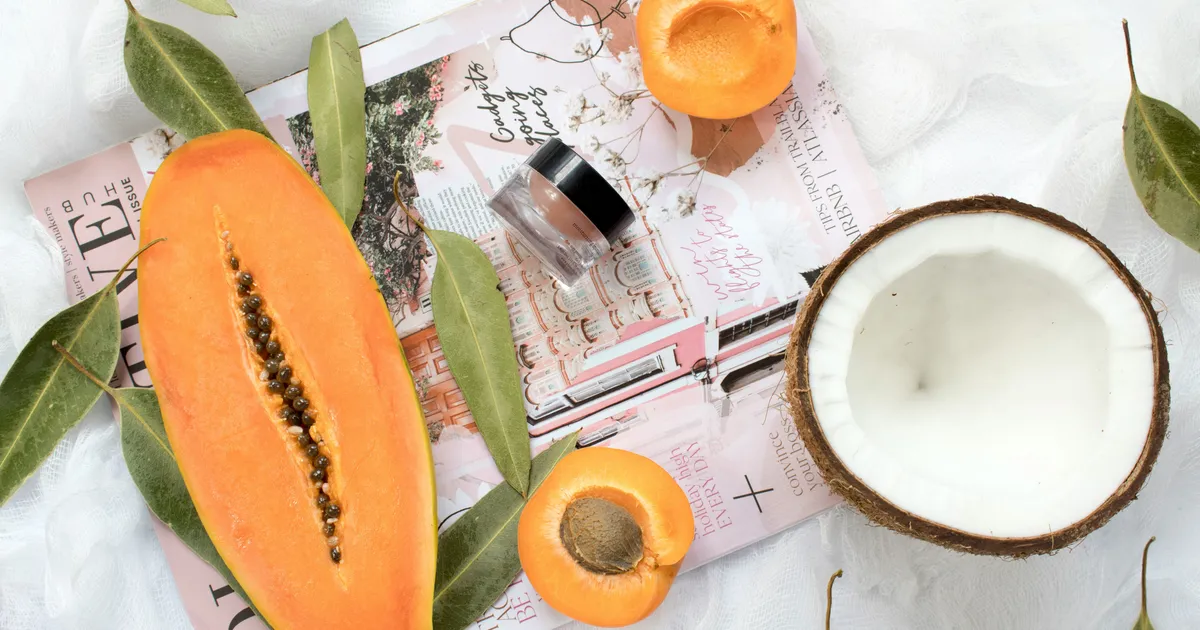
Achieving naturally radiant skin doesn’t always require expensive creams or salon treatments. Homemade skin nourishment remedies offer a cost-effective and gentle approach to enhancing your skin’s natural shine. By utilizing ingredients readily available in your kitchen, you can create personalized treatments that cater to your skin’s unique needs. These DIY solutions can address various concerns, from dryness and dullness to blemishes and uneven skin tone. Embracing natural skincare empowers you to take control of your beauty routine and harness the powerful benefits of nature’s bounty. This guide will unveil some of the most effective homemade concoctions for a complexion that glows from within.
Understanding Your Skin Type
Before diving into homemade remedies, it’s crucial to understand your skin type. Skin can generally be categorized as oily, dry, combination, or sensitive. Oily skin is characterized by excess sebum production, leading to a shiny appearance and potential breakouts. Dry skin, conversely, lacks sufficient moisture, resulting in flakiness, tightness, and discomfort. Combination skin exhibits characteristics of both oily and dry skin, typically with an oily T-zone (forehead, nose, and chin) and dry cheeks. Sensitive skin is prone to irritation, redness, and allergic reactions. Identifying your skin type will help you choose the most suitable ingredients and avoid potential irritants.
Once you determine the type of skin you have, you can start to formulate recipes suited to those needs. Take the time, however, to ensure you’re using fresh ingredients. While some items may be shelved, it is always beneficial to consider how long they have been sitting before using them. Furthermore, each product’s effect may differ based on its freshness and effectiveness. Doing so can help you receive the greatest results from these at-home treatments.
Hydrating Masks for Dry Skin

Dry skin craves moisture, and homemade masks can provide intense hydration. A popular option is a honey and avocado mask. Honey is a natural humectant, meaning it attracts and retains moisture, while avocado is rich in healthy fats and vitamins that nourish and soften the skin. To make this mask, mash half an avocado and mix it with a tablespoon of honey. Apply the mixture to your face, leave it on for 15-20 minutes, and then rinse with warm water. This simple treatment can leave your skin feeling supple and revitalized.
Another effective remedy for dry skin is an olive oil and egg yolk mask. Olive oil is packed with antioxidants and emollients that deeply moisturize the skin, while egg yolk is rich in vitamins and proteins that promote skin elasticity and repair. Combine one tablespoon of olive oil with one egg yolk and mix well. Apply the mixture to your face and neck, let it sit for 15 minutes, and then rinse with lukewarm water. Consider incorporating these masks into your routine 2-3 times per week for optimal results. As we look ahead to 2026, these natural remedies will continue to be a cornerstone of effective skincare.
DIY Exfoliating Scrub
Exfoliation is crucial for removing dead skin cells that can dull the complexion and clog pores. A gentle homemade scrub can reveal brighter, smoother skin. Mix one tablespoon of finely ground oats with one tablespoon of honey and one teaspoon of lemon juice. Oats provide gentle exfoliation, honey moisturizes, and lemon juice helps to brighten the skin. Gently massage the scrub onto your face in circular motions for a minute or two, avoiding the delicate eye area. Rinse thoroughly with warm water and pat your skin dry.
Brightening Treatments for Dull Skin
Dull skin can often benefit from brightening agents that promote cell turnover and even out skin tone. A lemon juice and yogurt mask is a classic remedy for brightening the complexion. Lemon juice contains citric acid, a natural exfoliant that helps to remove dead skin cells and fade dark spots. Yogurt contains lactic acid, which also gently exfoliates and moisturizes the skin. Mix one tablespoon of plain yogurt with half a teaspoon of lemon juice. Apply the mixture to your face, avoiding the eye area, and leave it on for 10-15 minutes. Rinse with cool water and follow with a moisturizer. It’s important to note that lemon juice can make your skin more sensitive to the sun, so always wear sunscreen after using this treatment.
Turmeric, a vibrant spice known for its anti-inflammatory and antioxidant properties, can also be used to brighten dull skin. Create a turmeric mask by mixing one teaspoon of turmeric powder with one tablespoon of honey and a few drops of milk or water to form a paste. Apply the mask to your face and leave it on for 15-20 minutes. Rinse with lukewarm water and gently pat your skin dry. Be aware that turmeric can stain the skin, so it’s best to use it sparingly and rinse thoroughly. Looking towards 2026, turmeric will likely remain a popular ingredient in natural skincare routines.
Soothing Remedies for Sensitive Skin

Sensitive skin requires gentle care and soothing ingredients. A chamomile tea compress can help calm irritated skin and reduce redness. Brew a cup of chamomile tea and let it cool. Soak a clean cloth in the tea and apply it to your face for 10-15 minutes. Chamomile contains anti-inflammatory compounds that can soothe and calm the skin. You can repeat this treatment several times a day as needed. Chamomile’s gentle nature makes it ideal for sensitive skin types needing some relief. In this modern age, sensitive skin solutions like this remain a timeless classic.
Another soothing remedy is an aloe vera and cucumber mask. Aloe vera is known for its hydrating and anti-inflammatory properties, while cucumber has cooling and calming effects. To make this mask, blend equal parts of aloe vera gel and cucumber. Apply the mixture to your face and leave it on for 20-30 minutes. Rinse with cool water and pat your skin dry. This mask provides intense hydration and helps to reduce redness and inflammation. Ensuring there are no additional additives to the aloe vera is a must.
Balancing Treatments for Combination Skin
Combination skin requires treatments that address both oily and dry areas. A clay mask can help to absorb excess oil in the T-zone while gently exfoliating the drier areas. Mix one tablespoon of bentonite clay with one tablespoon of water or apple cider vinegar to form a paste. Apply the mask to your face, focusing on the T-zone, and leave it on for 10-15 minutes. Rinse with warm water and follow with a moisturizer. Bentonite clay helps to draw out impurities and balance oil production.
A honey and lemon toner can also help to balance combination skin. Honey moisturizes dry areas, while lemon juice helps to control oil production. Mix one tablespoon of honey with one tablespoon of lemon juice and two tablespoons of water. Apply the mixture to your face using a cotton pad, avoiding the eye area. Let it sit for 5-10 minutes and then rinse with cool water. This toner can help to even out skin tone and control oil production without drying out the skin. Balancing Act skincare often involves products to counter the problems of both oily and dry skin. For those seeking to do so naturally, creating such a formula to balance your skin can be beneficial.
Incorporating these into your routine can offer a personalized approach to achieve radiant skin in 2026.
Treatments for Acne-Prone Skin
Acne-prone skin requires treatments that fight bacteria and reduce inflammation. A tea tree oil spot treatment can help to reduce the appearance of blemishes. Tea tree oil has antimicrobial properties that can kill acne-causing bacteria. Dilute tea tree oil with a carrier oil, such as jojoba or grapeseed oil, in a ratio of 1:10. Apply a small amount of the diluted oil directly to the blemish using a cotton swab. Avoid applying tea tree oil to the entire face, as it can be drying.
A honey and cinnamon mask can also help to treat acne. Honey has antibacterial and anti-inflammatory properties, while cinnamon has antimicrobial properties and helps to improve circulation. Mix two tablespoons of honey with one teaspoon of cinnamon powder to form a paste. Apply the mask to your face, avoiding the eye area, and leave it on for 10-15 minutes. Rinse with warm water and pat your skin dry. Be aware that cinnamon can cause irritation in some individuals, so it’s best to test the mask on a small area of skin first. For more in-depth information, consider referring to reputable dermatological resources like the American Academy of Dermatology’s website.
Key Takeaways

- Homemade skin nourishment remedies offer a natural and cost-effective way to enhance your skin’s shine.
- Understanding your skin type is crucial for choosing the right ingredients and avoiding potential irritants.
- Hydrating masks with honey and avocado or olive oil and egg yolk can deeply moisturize dry skin.
- Brightening treatments with lemon juice and yogurt or turmeric can even out skin tone and promote cell turnover.
- Soothing remedies with chamomile tea or aloe vera and cucumber can calm irritated and sensitive skin.
- Balancing treatments with clay masks or honey and lemon toner can address the needs of combination skin.
Frequently Asked Questions
How often should I use homemade masks?
The frequency of use depends on your skin type and the ingredients in the mask. Generally, using masks 1-3 times per week is a good starting point. Observe how your skin reacts and adjust the frequency accordingly.
Can I use these remedies if I have a skin condition like eczema or rosacea?
It’s always best to consult with a dermatologist before trying new skincare treatments if you have a pre-existing skin condition. Some ingredients may exacerbate your condition.
How long can I store homemade masks?
Homemade masks are best used immediately. However, if you have leftovers, store them in an airtight container in the refrigerator for up to 24 hours. Discard any mask that shows signs of spoilage.
Are there any ingredients I should avoid?
Avoid harsh ingredients like undiluted essential oils, strong acids, and abrasive scrubs that can irritate the skin. Always do a patch test before applying any new homemade remedy to your entire face.
How do I know if a remedy is working for me?
Pay attention to how your skin feels and looks after using the remedy. If your skin feels smoother, more hydrated, and looks brighter, the remedy is likely working for you. If you experience any irritation or adverse reactions, discontinue use immediately. This helps ensure that you are practicing a safe, balanced approach to skincare.
Conclusion
Homemade skin nourishment remedies offer a simple, natural, and effective approach to achieving radiant skin. By understanding your skin type and choosing ingredients that cater to its specific needs, you can create personalized treatments that enhance your complexion and promote overall skin health. Remember to prioritize gentle ingredients, perform patch tests, and consult with a dermatologist if you have any concerns. Embrace the power of nature and unlock the secret to a naturally glowing complexion. As we move forward, these time-tested practices will continue to empower individuals to take control of their skin’s well-being.